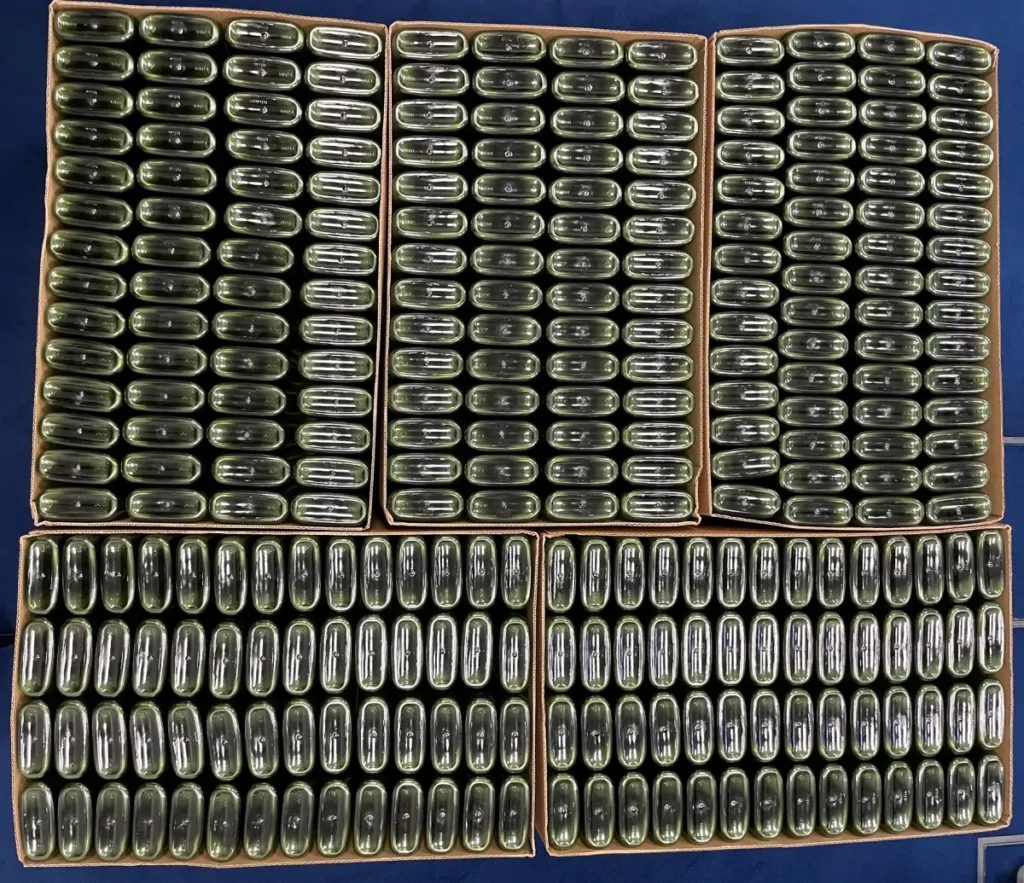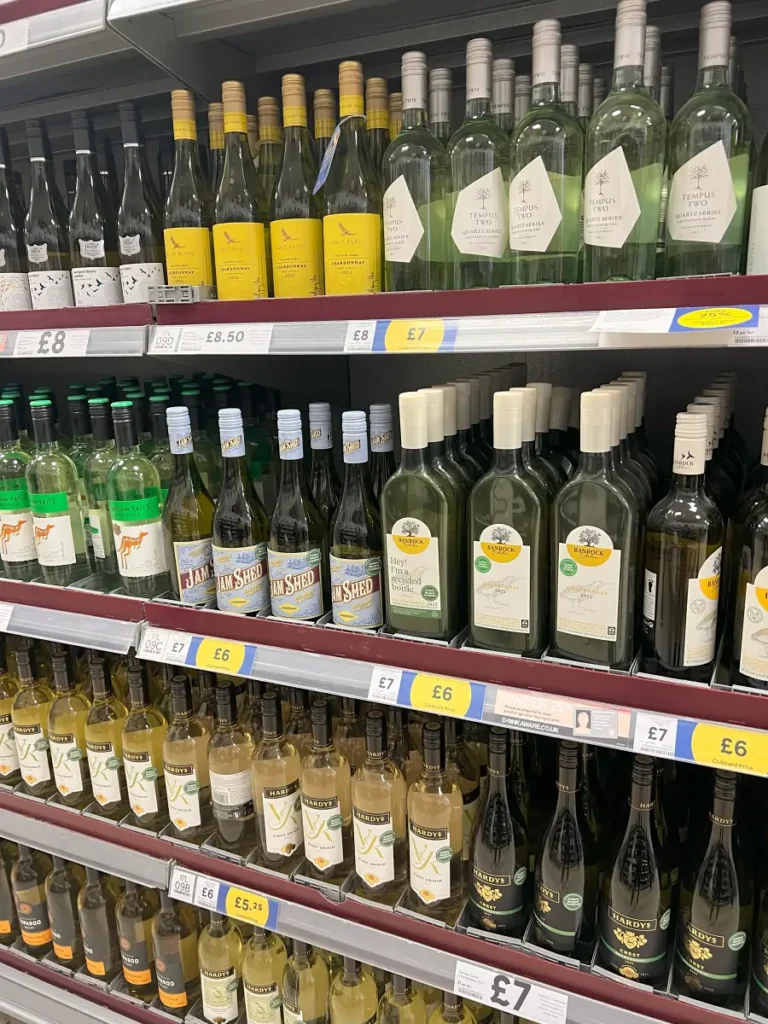
The McKinsey & Company article titled “Skinny Design: Smaller is Better” and linked here discusses how design, particularly “skinny design,” can be a powerful tool to address supply chain and in-stock issues in the consumer goods industry, which has been exacerbated by global supply chain disruptions, increased demand, and other challenges.
This article outlines the principles of skinny design and its potential benefits, and we can relate these principles to the wine industry, specifically highlighting the benefits of Packamama eco-flat bottles:
Principles of Skinny Design:
- Reducing Package Size for Improved Performance: Skinny design involves reassessing the overall size of product packaging to reduce its total cubic volume. This design principle is aimed at improving performance in several ways, such as increasing shelf holding power, reducing transportation costs, minimizing labour requirements, and enhancing product durability. This reduction in packaging size also has sustainability benefits, as it reduces CO2 emissions associated with transportation.
- Top-Line Growth: Skinny design can lead to top-line growth by improving the shelf and warehouse holding power. By fitting more product into the same space, it reduces stockouts, increases product availability, and ultimately drives growth.
- Bottom-Line Growth: The design approach results in bottom-line growth, with cost savings of more than 10%. Significant savings come from reducing transportation costs per unit by optimizing the use of containers and trucks. Other opportunities for cost reduction include labour savings, increased automation, and reduced warehousing and shelf stocking requirements.
- Sustainability Improvements: Skinny design contributes to sustainability by reducing CO2 emissions through better utilization of transportation containers and trucks. It can also involve choosing more sustainable materials, such as replacing expanded polystyrene foam with moulded pulp.
Benefits in the Wine Industry with Packamama:
The principles of skinny design outlined in the McKinsey & Company article can be applied to the wine industry, particularly in the case of Packamama and their business customers:
- Reduced Packaging Size: Packamama utilises skinny design principles by using innovative bottle designs to reduce the overall cubic volume of wine bottles and packaging materials. This reduction leads to more efficient transportation, reduced storage requirements, and lower shipping costs for Packamama customers.
- Improved Shelf Presence: By fitting more wine bottles in the same shelf space, Packamama bottles increase shelf presence. This not only reduces the likelihood of stockouts but also enhances brand visibility, ultimately driving revenue growth for the brands that use Packamama bottles.
- Sustainability: In the wine industry, where sustainability is increasingly important, skinny design as offered by Packamama can contribute to reduced carbon emissions by optimizing transportation efficiency. Additionally, using eco-friendly packaging materials, as Packamama does with recycled and recyclable PET, can further align with sustainability goals.
- Cost Savings: By adopting skinny design, Packamama and their customers can achieve bottom-line growth through cost savings, including reduced transportation costs and efficient use of resources. This can help the brands that work with Packamama maintain profitability in a challenging market.
- Adaptation to E-Commerce: As e-commerce continues to play a significant role in wine sales, the wine industry must adapt to changing consumer behaviours. Smaller packaging can better cater to the needs of online shoppers, ensuring safe and efficient delivery. Packamama bottles unlock these benefits.
In summary, the principles of skinny design, as outlined in the article, can be applied to the wine industry, with brands that work with Packamama benefiting from reduced packaging size, improved sustainability, and cost savings, while also adapting to changing consumer behaviours, including the rise of e-commerce. These design principles can help wine companies enhance their competitiveness and navigate supply chain challenges.