

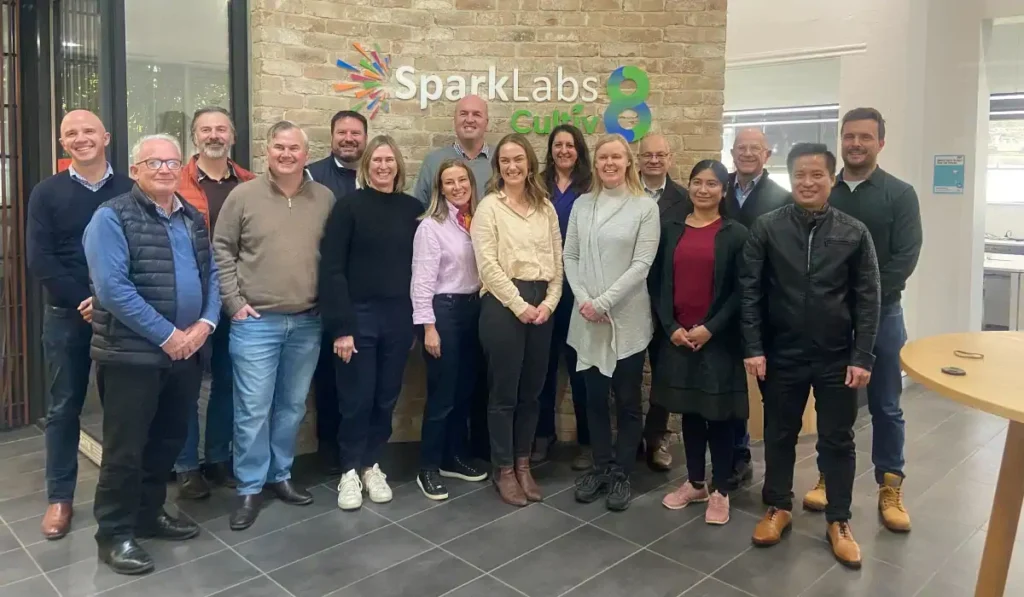
In an exciting move that underscores Australia’s commitment to addressing climate change through innovation, SparkLabs Cultiv8, the nation’s most active Agri-Food Tech accelerator, has ventured into the realm of clean technology with its new SparkLabs Cultiv8 CleanTech Accelerator. This groundbreaking initiative will further boost SparkLabs Cultiv8’s portfolio, supporting ten promising startups in their quest to revolutionize the CleanTech landscape, including the pioneering sustainable packaging company, Packamama.
Packamama is at the forefront of reimagining the wine bottle to enhance climate-friendliness, resulting in space, weight, and energy savings that effectively reduce carbon emissions throughout the supply chain. They are one of the ten startups that have been selected to join the accelerator, bringing their innovative approach to sustainable packaging to the forefront of the CleanTech movement.
Since its inception in 2017, SparkLabs Cultiv8, a collaborative effort with Asia’s largest accelerator, SparkLabs Group, has been a leader in leveraging innovation to combat climate change. Malcolm Nutt, Partner and Agri-Food Tech veteran, believes that embracing cleantech is a logical step forward for Australia as the country grapples with the mounting challenges posed by climate change. “Australia should be globally recognized as a leader in this space,” he stated. “The Australian Agri-Food Tech scene has a stellar track record of innovation, and we continuously witness remarkable developments. Agriculture is a key player in the climate change conversation, and we are excited to contribute through innovation and collaboration with leading research institutions in Australia.”
The startups selected for the SparkLabs Cultiv8 CleanTech Accelerator will call the GATE, located at the Orange Agricultural Institute, their home base for the next six months. This diverse group of companies primarily hails from New South Wales and is poised to make significant contributions to the CleanTech sector. Here are the startups involved: AusBioEnergy; Blue Carbon S2C; Carbonaught; Clean Eyre Global; DownForce Technology; ExoFlare; NanoSoils; Packamama; Ten Carbon Chemistry; Wollemi.
The SparkLabs Cultiv8 CleanTech Accelerator program is powered by Cultiv8 Funds Management, an Agri-Food Venture Capital Fund founded by Malcolm Nutt and Jonathon Quigley in partnership with the Challenger Group. This new initiative builds upon the successes of the SparkLabs Cultiv8 Accelerator program and enjoys support from key industry players, including the Department of Primary Industries, Meat and Livestock Australia (MLA), Grains Research and Development Corporation (GRDC), Cotton Research and Development Corporation (GRDC), Agriculture Innovation Australia (AIA), Fisheries Research and Development Corporation (FRDC), Hort Innovation, and Science and Technology Australia (STA).
Jonathon Quigley, Partner of SparkLabs Cultiv8, emphasizes the global recognition of the program and its vital role in showcasing innovation within New South Wales and Australia at large. “This year’s participants zero in on areas such as biodiversity, resource efficiency, and renewable energy,” he noted, “and we are excited to partner with these businesses that will contribute to a more sustainable planet.”
In a statement expressing his gratitude and excitement for Packamama’s invitation to join the SparkLabs Cultiv8 CleanTech Accelerator, CEO & Founder Santiago Navarro shared his motivation and highlighted the vital role of the wine industry in Australia’s economy and the welfare of agricultural communities, particularly those in New South Wales.
Santiago Navarro stated: “I am thrilled and deeply motivated by our selection to join the SparkLabs Cultiv8 CleanTech Accelerator. Our commitment to reimagining the wine bottle, making it more climate-friendly, and reducing carbon emissions aligns perfectly with the CleanTech initiative’s goals. The Australian wine industry is not only a significant contributor to Australia’s economy but also a pillar of support for agricultural communities, including those right here in New South Wales. By innovating within this industry, we hope to play a vital role in preserving both the unique Australian landscapes and the livelihoods of those who tend to them. This opportunity strengthens our resolve to create a greener, more sustainable future for all.”
Santiago Navarro’s words reflect the passion and determination behind Packamama’s efforts to make a positive impact in the wine industry and the broader agricultural landscape. His acknowledgment of the importance of the wine industry to Australia’s economy and agricultural communities underscores the significance of their work in the CleanTech sector.
In conclusion, SparkLabs Cultiv8’s foray into CleanTech with the launch of the CleanTech Accelerator marks a significant step in Australia’s journey to combat climate change through innovation and sustainability. These ten startups, carefully selected for their innovative solutions and commitment to a greener future, are poised to make a lasting impact on the CleanTech landscape and contribute to a more sustainable planet.