
The Wine Australia Emissions Reduction Roadmap aims to guide the Australian grape and wine sector in reducing carbon emissions by 42% by 2030, with packaging identified as a significant contributor to emissions. In the 2020–21 financial year, the sector generated 1,770,997 tonnes of CO2-e, with packaging responsible for 44% of these emissions, mainly from heavy glass bottles.
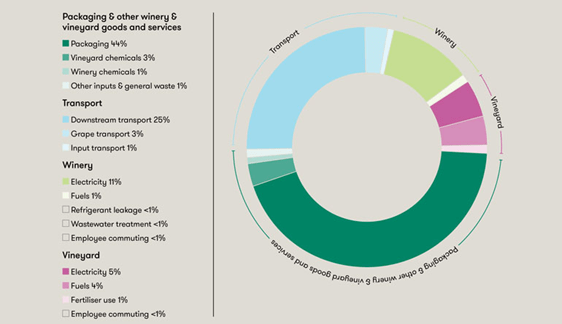
The Roadmap proposes two key initiatives to reduce packaging-related emissions: transitioning to lightweight bottles and adopting lower energy glass production. Lightweight bottles and innovations like bag-in-box and canned wine are highlighted as crucial alternatives. The report also explores recent packaging innovations such as the Packamama bottles made using recycled PET.
Cost control is a primary driver for wineries, with 43% indicating it as the main consideration in their packaging strategy. The rise in glass costs has led 31% of US wineries to switch to lighter bottles, primarily to reduce emissions, followed by cost and transport savings. Consumer health trends, especially among younger generations, drive interest in alternative packaging types that enable moderation in alcohol consumption.
Analysis of off-trade wine sales in key markets (Australia, UK, US, Canada) shows variations in packaging preferences. While the 750ml bottle dominates, its market share differs across regions. The US has a lower 58% volume share, with alternative formats gaining popularity. Growth in alternative packaging formats is observed in Australia and the UK, with 187ml bottles showing growth across the UK, US, and Australia.
Export trends reveal a slow shift toward non-glass packaging, with bulk wine exports increasing from 53% to 69% in volume share over ten years. Alternative packaging formats, such as cans, PET containers, flagons, kegs, and tetra packs, contribute 0.2% of total export volume. Notable movers include 5-litre casks, 2.25-litre casks/pouches, and 375ml cans. Glass bottles still dominate exports, with 79% in 750ml “standard” bottles and 19% in 1.5-litre “magnum” bottles.
Overall, the report underscores the importance of packaging innovation for the wine industry to achieve emission reduction goals, respond to economic forces, and align with evolving consumer preferences.